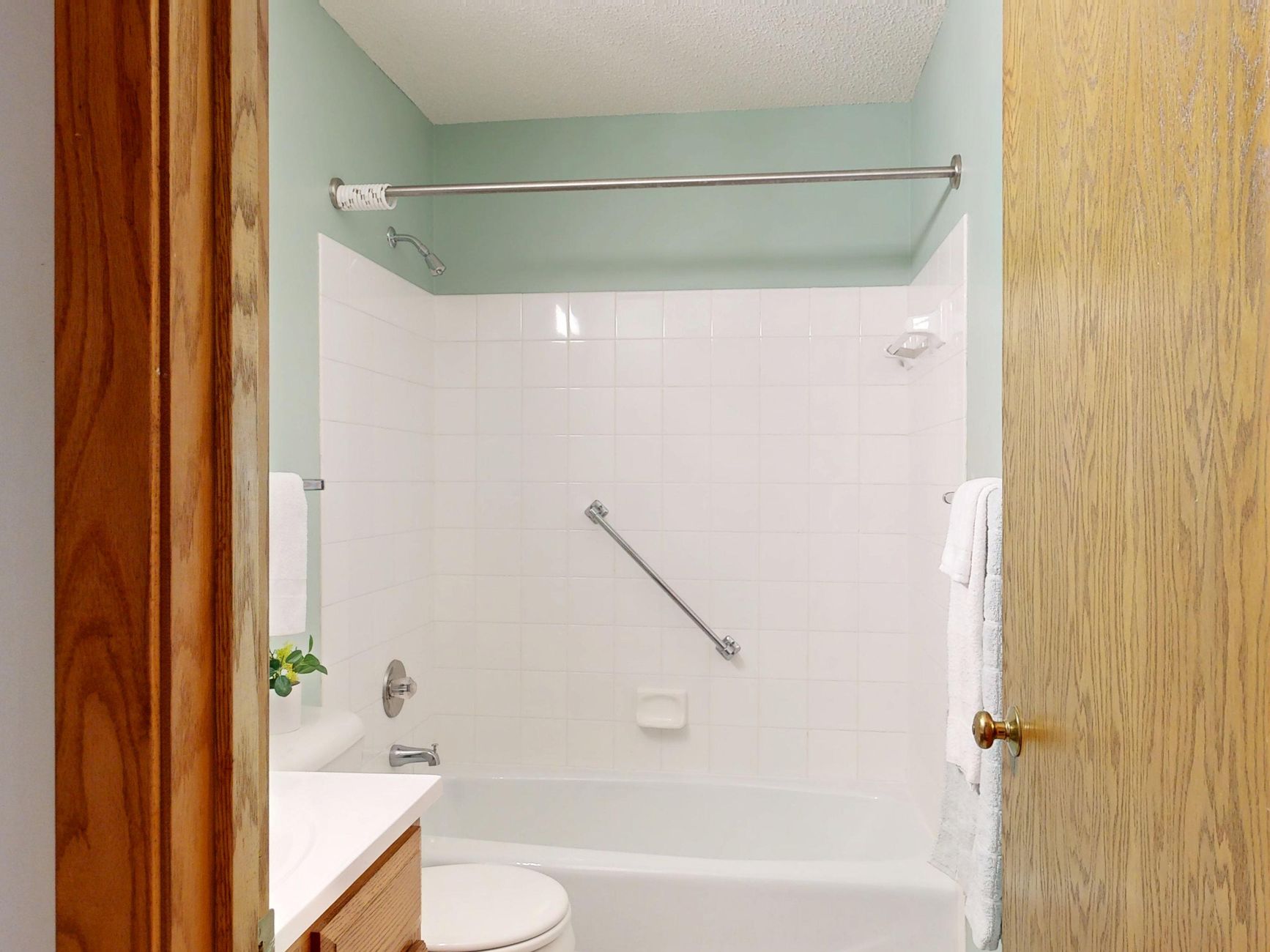
Grab bars are one of the single most effective fall prevention tools available. Studies show they can reduce bathroom falls by up to 60%. Yet most homes don’t have them — and when people finally install them, it’s often after a fall has already occurred. This guide shows you exactly how to install grab bars correctly and safely.
Why Grab Bar Placement Matters
A grab bar installed in the wrong location provides false security. The goal is to have support exactly where you need it during the highest-risk moments: stepping into the shower, turning around, sitting down, and standing up. Standard recommended placements include a horizontal bar at 33-36 inches from the shower floor on the side wall for balance while standing, a vertical or angled bar at the shower entry point to help stepping in and out, and an angled bar on the back wall within reach when seated.
Tools and Materials You’ll Need
Grab bars rated for at least 250 lbs static load (look for ANSI/ASTM standards), a stud finder, drill with bits appropriate for tile and wood, measuring tape, level, pencil, screws and wall anchors appropriate to your wall type, and caulk to seal around the mounting plates.
Step 1: Locate the Studs
This is the most critical step. Grab bars must be anchored into wall studs or with specialized hollow-wall anchors rated for the load. A bar anchored only into tile and drywall will pull out under load — exactly when someone needs it most.
Use an electronic stud finder to locate studs behind the tile. Mark stud centers with pencil on the tile surface. Standard stud spacing is 16 inches, but older homes may have 24-inch spacing.
If studs are not in the right locations, you have two options: use toggle bolts or specialized hollow-wall anchors rated for 250+ lbs per bolt, or install a backing board (a piece of plywood behind the tile wall during a renovation, or a surface-mounted backing plate).
Step 2: Mark Your Locations
Using the stud locations and the recommended heights above, mark the exact center points where each mounting hole will go. For a standard two-hole grab bar mounting plate, measure the distance between holes on the bar itself and mark both hole positions.
Use a level to ensure the bar will be horizontal or at the correct angle — a crooked grab bar is both ineffective and looks poor.
Step 3: Drill Through the Tile
Drilling through ceramic or porcelain tile requires a carbide-tipped or diamond-tipped tile bit. Do NOT use a standard wood or metal bit — it will crack the tile. Start at low speed without percussion/hammer mode, applying gentle, steady pressure. Tape over the drill location to prevent the bit from wandering on the tile surface.
Once through the tile, switch to an appropriate bit for the wall material behind (wood bit for studs, masonry bit for concrete).
Step 4: Install Wall Anchors (If Not in Studs)
If you are not anchoring directly into studs, install toggle bolts or snap toggles according to their instructions. These must be rated for the appropriate load. When in doubt, consult a hardware professional or hire a CAPS contractor for this step.
Step 5: Mount the Grab Bar
Apply a thin bead of silicone caulk around the back edge of each mounting plate before securing it to the wall. This prevents water from getting behind the plate and causing mold or wall damage.
Insert the screws through the mounting holes and into the studs or anchors. Tighten firmly but do not overtighten, which can crack tile.
Step 6: Test the Installation
Before relying on the grab bar, test it rigorously. Grip the bar and apply body weight in multiple directions — sideways, downward, and at angles. A properly installed grab bar should feel absolutely solid with no movement whatsoever.
Should You DIY or Hire a Pro?
A confident DIYer with the right tools can install grab bars successfully. However, mistakes — particularly inadequate anchoring — can be dangerous. If you are not confident about finding studs behind tile, or if your tile is cracked or your walls are unusual construction, hire a CAPS contractor or experienced handyperson. The cost of professional installation (typically $100-$200 per bar including hardware) is modest compared to the cost of a fall.
Whichever approach you take, never cut corners on anchoring. A grab bar that pulls from the wall during a fall is worse than no grab bar at all.