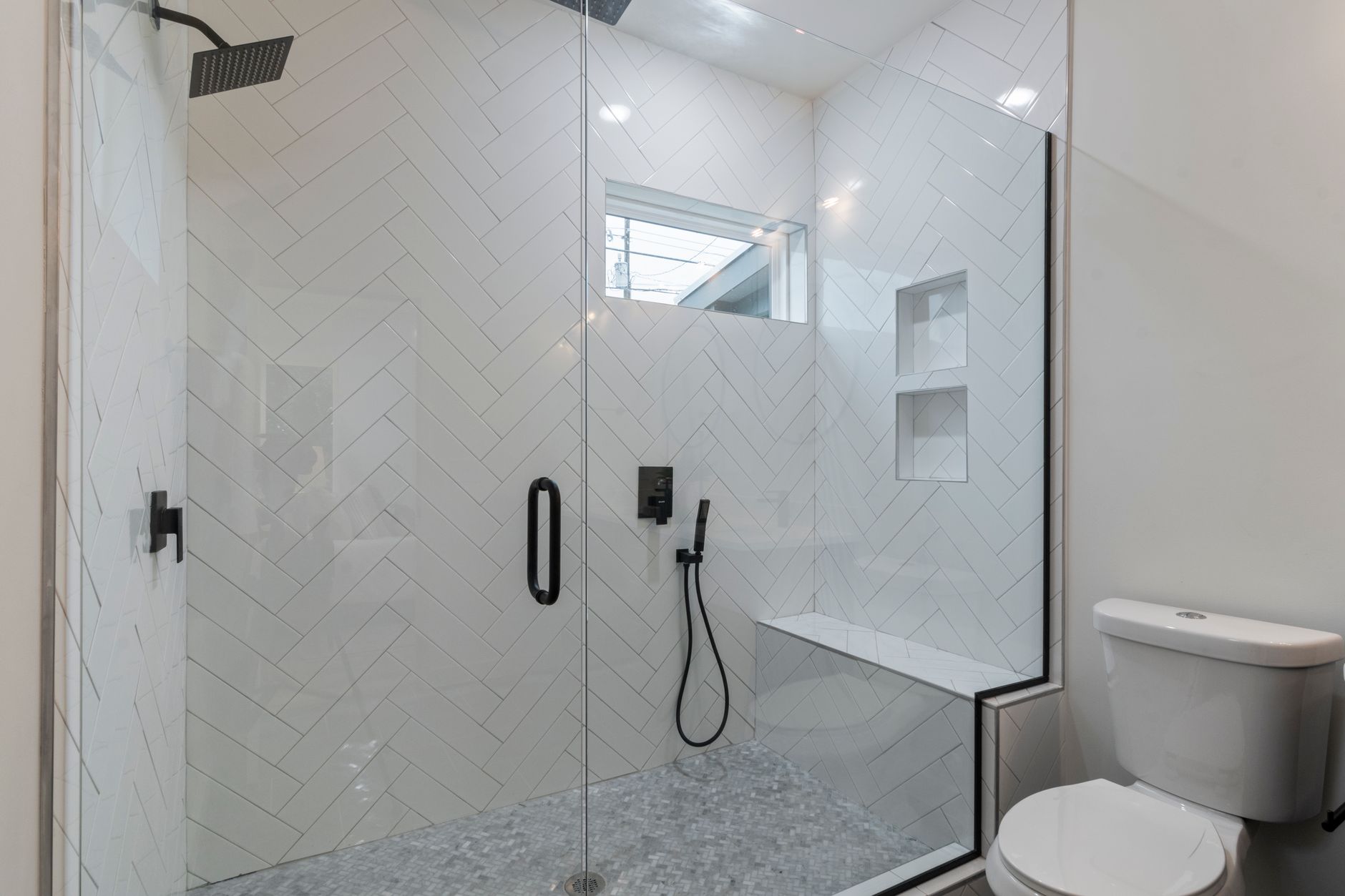
For seniors who need to sit while bathing, two main options exist: shower chairs (and shower seats) designed for use inside the shower, and transfer benches that straddle the side of the tub or shower threshold. Each serves a different need, and choosing the right one can make a significant difference in bathing safety and independence.
Shower Chairs and Shower Seats
A shower chair is a waterproof seat used inside the shower enclosure. Versions range from basic four-legged chairs to wall-mounted fold-down seats. The person stands to enter the shower, then sits to bathe.
Who needs a shower chair: Someone who can enter the shower independently (stepping over a low threshold or into a walk-in/curbless shower) but cannot stand for the full duration of bathing due to fatigue, balance issues, or pain.
Types: Basic shower chair with four legs and a back ($25-$60) — the most affordable option, suitable for most walk-in showers. Shower chair with armrests ($40-$90) — provides additional support for getting up and down. Fold-down wall-mounted seat ($80-$200) — folds flat against the wall when not in use, ideal for small showers shared with other family members. Teak shower bench — a non-medical, attractive option for natural wood lovers ($60-$200).
Key features to look for: Weight capacity appropriate for the user, non-slip rubber feet, drainage holes in the seat, rust-resistant construction (aluminum or plastic, not steel), and appropriate dimensions for your shower space.
Transfer Benches
A transfer bench is designed to address a specific problem: how to get into a bathtub or step-in shower safely when stepping over the tub wall or threshold is difficult or impossible.
The bench spans the tub wall or shower threshold, with two legs inside the tub and two outside. The user sits on the outside portion of the bench, lifts their legs over the tub wall (a much smaller motion than stepping), then slides across the bench to be fully inside the tub or shower. A handheld showerhead allows bathing while seated on the bench.
Who needs a transfer bench: Someone who cannot safely step over a bathtub wall or high shower threshold. This includes people with significant hip, knee, or balance problems, those recovering from hip or knee surgery (where stepping high is prohibited), and wheelchair users who need to transfer from chair to bench.
Key features to look for: Appropriate weight capacity, adjustable-height legs (to accommodate different tub heights), a back support, a cutout or opening in the seat for easier washing, tool-free assembly, and non-slip feet.
Cost: Basic transfer benches run $40-$80. Higher-quality models with more features — padded seats, sliding seat mechanisms, better adjustability — run $80-$200.
Which Do You Need?
The right choice depends on your specific mobility situation:
Choose a shower chair if: You have a walk-in or curbless shower you can enter independently but need to sit while bathing.
Choose a transfer bench if: You have a bathtub or step-in shower with a threshold that is difficult or unsafe to step over, and you need an alternative method of entry.
Consider both if: You are converting a tub to a walk-in shower — use a transfer bench in the interim while the renovation is in progress, then switch to a shower chair or fold-down seat in the new shower.
Using a Transfer Bench Safely
A transfer bench is only safe when used correctly. The technique: position your wheelchair or standing position facing the bench, sitting position slightly to the outside. Sit on the outside edge of the bench. Using grab bars and armrests for support, lift your legs over the tub wall one at a time (or together if you can). Slide your body across the bench so you are fully inside the shower area. Reverse the process to exit. Always have grab bars accessible throughout this process — a vertical grab bar at the entry point of the shower is especially useful with a transfer bench.
Cleaning and Maintenance
Both shower chairs and transfer benches require regular cleaning to prevent mold and mildew. After each use, rinse thoroughly. Weekly, clean with a mild bathroom cleaner and rinse well. Check regularly for signs of corrosion, cracking, or weakening joints — replace any equipment that shows structural wear.