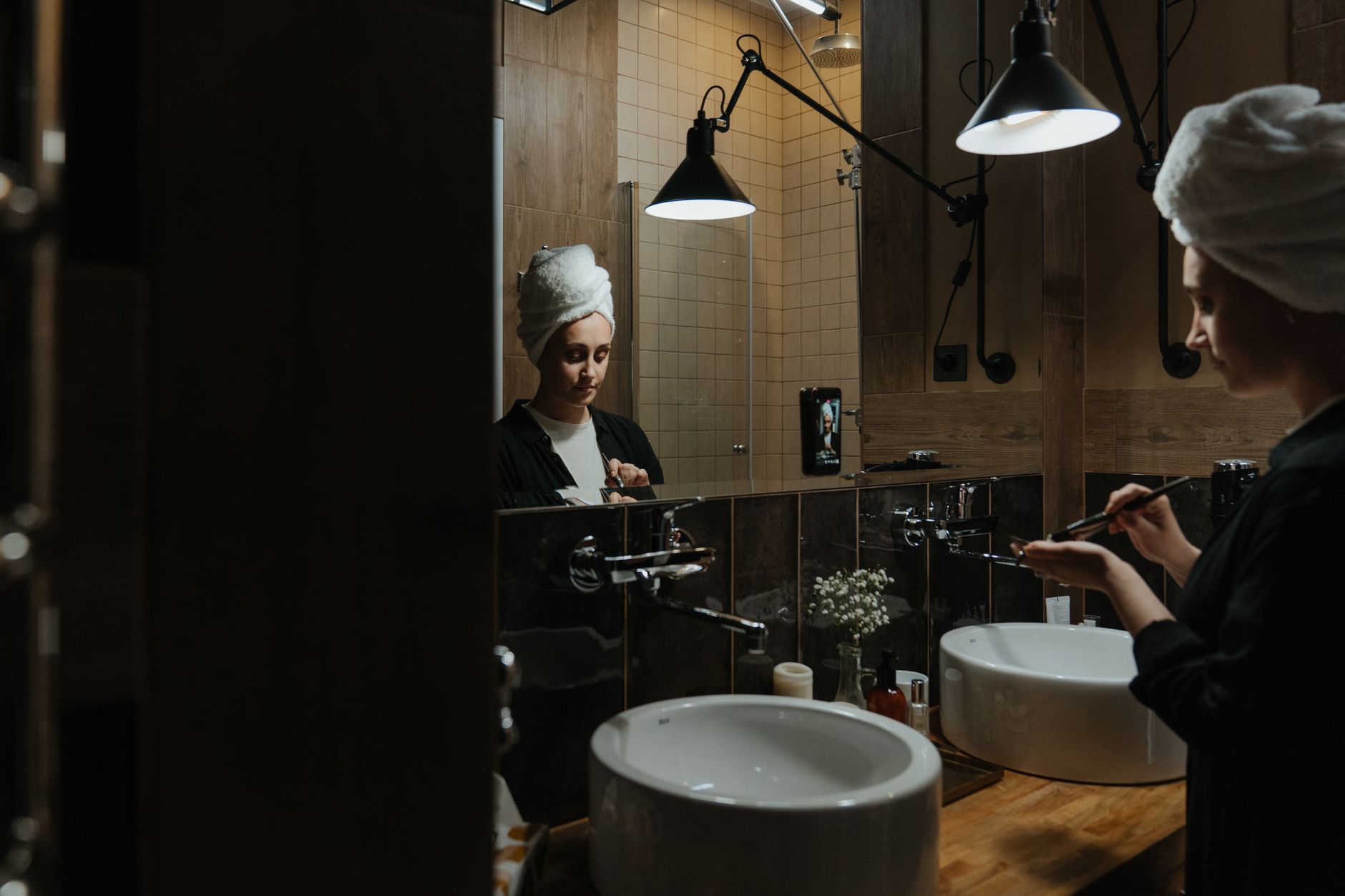
The bathroom is the most dangerous room in the home for older adults. More falls happen in the bathroom than anywhere else, and bathroom falls are more likely to cause serious injury than falls in other rooms. The good news is that most bathroom hazards are identifiable and fixable, often at modest cost. This guide covers the most important safety improvements, from free changes to major renovations.
Understanding the Risk
What makes bathrooms so dangerous? Three factors combine to create an unusually hazardous environment: wet, slippery surfaces; confined spaces that limit the ability to catch yourself when balance fails; and the physical demands of tasks like stepping into a tub, lowering yourself onto a toilet, and rising again — all of which challenge balance and strength.
Reducing bathroom fall risk is one of the highest-return investments in home safety available. Here is how to approach it systematically.
Non-Slip Surfaces: The Foundation
Every wet surface in the bathroom should be non-slip. This means a textured mat or adhesive strips inside the shower or tub, a non-slip bath mat on the floor immediately outside the tub or shower, and non-slip floor tile or a matte finish on existing tile. When choosing floor tile, look for products with a Dynamic Coefficient of Friction (DCOF) of 0.42 or higher — the standard for wet areas in commercial construction.
For existing smooth tile, adhesive non-slip strips ($10-$20) or a professional anti-slip treatment applied to the tile surface ($200-$400) can significantly improve traction without replacing the floor.
Grab Bars: Non-Negotiable
If you do only one thing to improve bathroom safety, install grab bars. They should be in the shower (horizontal bar at 33-36 inches for standing balance, vertical or angled bar at the entry point), beside the toilet (one bar on the side wall at 33-36 inches, angled from front to back to assist both lowering and rising), and on the tub surround if a tub is retained.
Grab bars must be anchored into studs or with appropriate structural anchors — not just into drywall or tile. A bar that pulls out during a fall is worse than no bar at all. If in doubt, hire a professional installer.
Toilet Height
Standard toilets are 14-15 inches tall — too low for most seniors to sit and rise from comfortably. Options for increasing height include a raised toilet seat (adds 3-6 inches, costs $25-$60, attaches to existing toilet), a toilet safety frame (adds height and grab handles, costs $30-$80), or a comfort-height toilet (17-19 inches, installed during a bathroom renovation).
The combination of a comfort-height toilet and grab bars beside it transforms one of the highest-risk bathroom activities into a much safer one.
Shower and Bathing
Consider these improvements to the shower area:
Handheld showerhead: A handheld showerhead on a sliding bar ($30-$80) allows showering while seated and makes rinsing much easier. This is one of the highest-value, lowest-cost bathroom improvements available.
Fold-down shower seat: A wall-mounted fold-down seat ($80-$200) provides a place to sit while showering without permanently occupying floor space. Fixed shower chairs ($30-$80) are less convenient but less expensive.
Tub transfer bench: For seniors who want to retain a bathtub, a transfer bench straddles the tub wall, allowing the user to sit on the outside bench, swing legs over, and slide across — eliminating the dangerous step-over. Cost: $40-$100.
Lighting
Bathrooms need excellent lighting — more than most people realize. As eyes age, the need for light increases significantly; a 60-year-old needs roughly twice as much light to see as clearly as a 20-year-old. Improve bathroom lighting by replacing standard bulbs with the highest-lumen LED bulbs your fixtures accept, adding a night light that stays on permanently for nighttime bathroom trips, and considering additional fixtures if the main overhead light casts shadows.
Temperature Safety
Scald burns from hot water are a real risk, particularly for seniors with reduced sensation in the feet or diabetic neuropathy. Set your water heater thermostat to 120°F or lower. Thermostatic mixing valves ($50-$200) can be installed at the shower to prevent the water from ever exceeding a preset safe temperature, even if someone accidentally turns the hot water fully on.
Flooring and Transitions
Bathroom floor transitions — the threshold between the bathroom and the hallway — are trip hazards. Flush or beveled transitions are safer than raised ones. If your bathroom has a significant threshold, a rubber or aluminum beveled transition strip ($5-$20) can reduce the step height.
When to Remodel
Many of the improvements above can be made incrementally. However, if your bathroom has a tub-only configuration (no shower), narrow doorways (under 32 inches), or a very small footprint that limits safety features, a more comprehensive renovation is worth considering. A bathroom designed for aging in place — with a curbless shower, grab bars built into the walls, a comfort-height toilet, and good lighting — is among the best investments in safe independent living you can make.