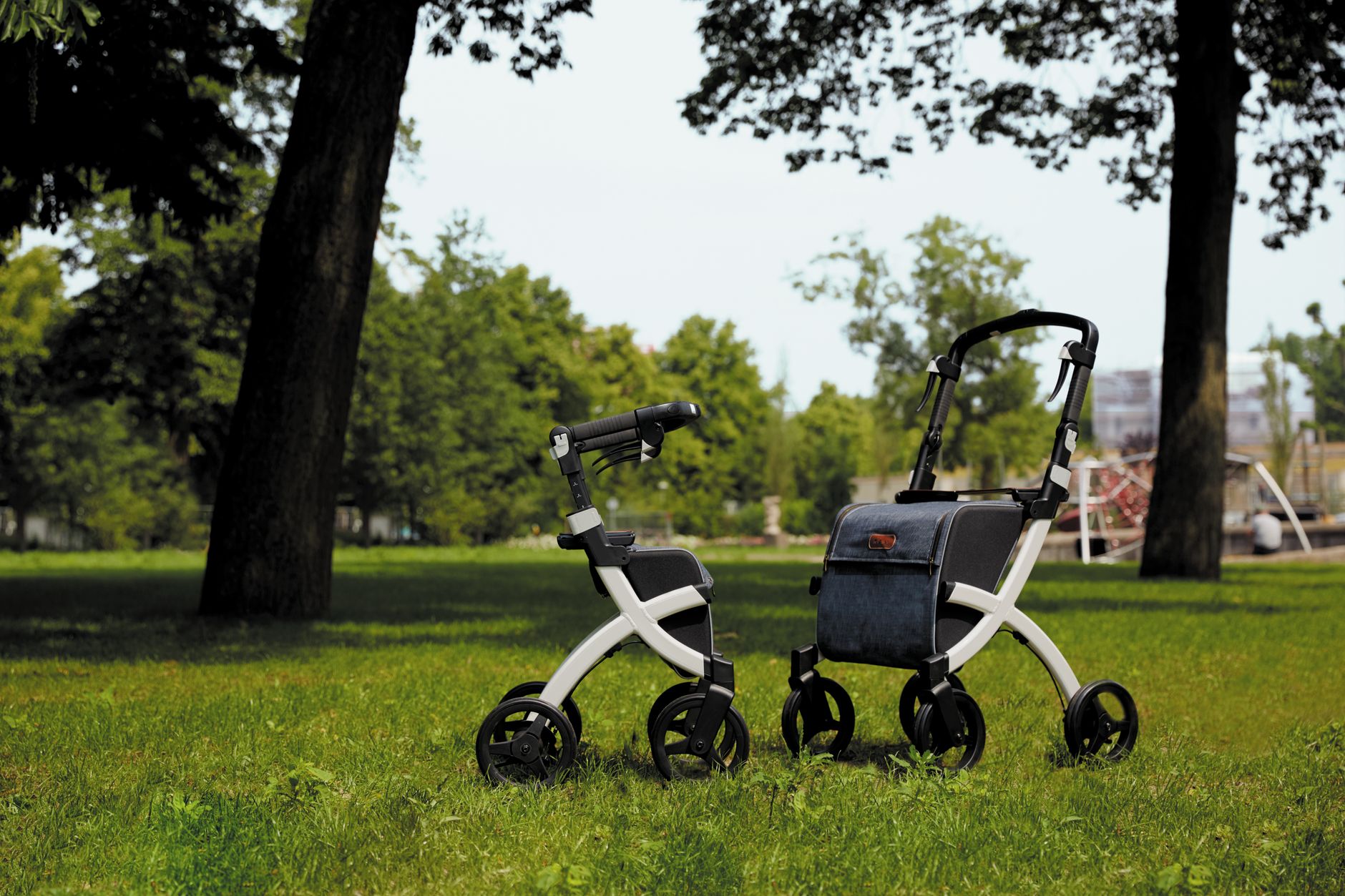
A rollator — a wheeled walker with hand brakes — has become one of the most popular mobility aids for seniors. Unlike standard walkers that must be lifted with each step, a rollator rolls forward smoothly, offering support while allowing a more natural walking gait. But not all rollators are equal. This guide explains what actually matters when choosing one.
Rollator vs Standard Walker: Which Is Right?
Before choosing a rollator, make sure it is the right type of mobility aid for your situation. A rollator provides support and balance assistance but requires the user to control its movement — it does not stop on its own. For someone who needs to put full body weight on their walking aid to move safely, a standard walker (lifted, no wheels) or a two-wheeled walker offers more stability. Consult your doctor or physical therapist if you are unsure which type is appropriate.
Key Features to Evaluate
Frame material and weight: Rollators come in steel and aluminum. Steel is more durable but heavier (15-25 lbs). Aluminum is lighter (13-18 lbs) and more practical for most seniors who need to lift the rollator into a car trunk. If you travel frequently or live alone, weight matters significantly.
Weight capacity: Standard rollators support 250-300 lbs. Bariatric models handle 400-500 lbs. Always choose above your current weight.
Wheel size: Larger wheels (8 inches or more) roll more smoothly over outdoor surfaces — sidewalk cracks, gravel, grass edges. Smaller wheels (6 inches) are more maneuverable indoors but struggle outdoors. If you use the rollator primarily outdoors, prioritize larger wheels.
Seat height: The seat should allow feet to rest flat on the ground when sitting, with hips and knees at 90 degrees. Most rollators have adjustable seats between 18 and 22 inches. Get the measurements right — sitting on a seat that is too high or too low puts strain on joints.
Handle height: Handles should be at wrist height when you are standing upright with arms relaxed at your sides. Adjustability range varies — check the maximum and minimum heights before purchasing.
Brakes: Loop brakes (squeeze to brake, release to go) are the standard for rollators and are appropriate for most users. Push-down brakes (press down on the brake lever to engage, which locks the wheels) are sometimes recommended for people with Parkinson’s disease or others who have difficulty with a consistent squeeze grip. Ensure the brake cables are easily adjustable and that the brakes hold firmly when tested.
Seat and backrest: A padded seat is worth the modest premium over a hard seat — it makes a difference during longer rests. A backrest, found on some models, adds safety but also adds weight.
Storage basket: Most rollators include an under-seat storage basket or bag. This is genuinely useful for carrying items while keeping both hands on the handles. Check the weight capacity of the basket — overloading it affects the rollator’s stability.
Foldability: Almost all rollators fold for storage and transport. Check how the fold mechanism works — some are simpler and more one-hand-friendly than others. A rollator that is difficult to fold will not get used.
Indoor vs Outdoor Use
If you primarily use the rollator indoors, prioritize maneuverability: a narrower width (less than 25 inches), smaller turning radius, and lighter weight matter most. If primarily outdoors, prioritize larger wheels, a more robust frame, and potentially wider width for stability on uneven surfaces.
If you use it for both, look for a model with medium-large wheels (7-8 inches) and a width of 24-26 inches — a compromise that handles both reasonably well.
Fitting the Rollator
Even the best rollator is ineffective if it is not properly sized. Have a physical therapist or mobility equipment specialist help you fit your rollator if possible. Key checks: handles at wrist height when standing, slight bend at the elbow when gripping handles, and a natural upright posture — not hunched forward or reaching back.