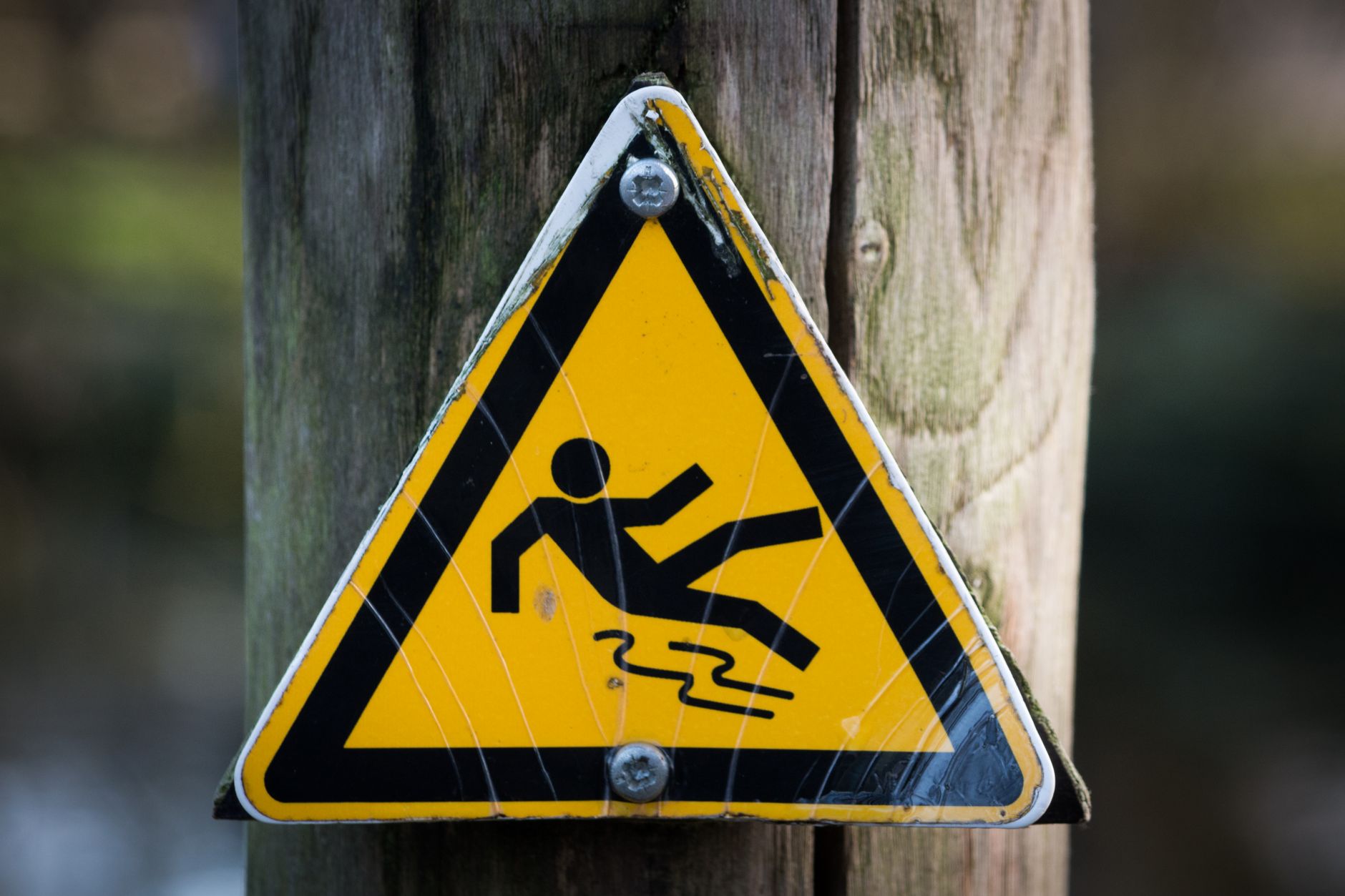
A systematic room-by-room hazard assessment is one of the most effective fall prevention interventions available. Research shows that home hazard modification can reduce fall risk by up to 26% — and for people who have already fallen, the reduction is even greater. This guide walks you through every major area of your home.
General Principles
Before going room by room, a few principles apply throughout the home: Every walking surface should be slip-resistant. Every walking path should be well-lit and clear of obstacles. Frequently used items should be within easy reach — between hip and shoulder height — to eliminate dangerous bending and stretching. Every telephone or medical alert device should be within reach at all times.
Living Room
The living room is where falls are often caused by furniture and floor coverings. Check for: loose rugs and carpet edges (secure or remove); low coffee tables that can catch a foot or shin (consider replacing with a higher table or removing entirely); furniture arranged to leave clear 36-inch pathways; electrical cords crossing walking paths (route along walls, secured with cord covers); poor lighting in corners and reading areas; chairs and sofas that are too low to get up from easily (add firm cushions or furniture risers if needed).
Kitchen
Kitchen hazards are often related to reaching and bending. Check for: items stored too high (requiring reaching above shoulder height) or too low (requiring bending to the floor) — relocate frequently used items to between hip and shoulder height; non-slip mats in front of the sink and stove; smooth floor surfaces (add non-slip adhesive strips or replace with textured flooring); step stools without handrails (replace with a proper step stool that has a secure handle); wet or greasy floors (keep clean and dry, especially around the sink).
Bedroom
Many falls happen during the night when seniors get up to use the bathroom. Check for: bed height — if your feet don’t touch the floor when sitting on the edge, the bed is too high (adjust frame or mattress); cluttered floor around the bed (clear completely); no night light on the path to the bathroom (install motion-activated night lights); phone or medical alert device not within reach of the bed (move to bedside); clothing on the floor or draped over furniture in the walking path (clear thoroughly); area rugs near the bed (secure or remove).
Bathroom
The highest fall risk room in the home. Check for: no grab bars in the shower and beside the toilet (install these — they are essential); slippery floor inside the shower and on the bathroom floor (add non-slip mats and strips); toilet too low to sit and stand comfortably (add a raised toilet seat); poor lighting especially at night (add a permanently-on night light); high threshold at bathroom door (replace with a beveled transition strip).
Hallways and Stairs
Hallways and stairs are particularly dangerous because falls here often result in longer distances to fall. Check for: poor lighting (add brighter fixtures and make sure switches are at both ends of halls and stairs); no handrails on one or both sides of stairs (install handrails on both sides where possible); loose stair treads or carpet (repair immediately — this is an emergency hazard); items stored on stairs (remove all items — stairs are for walking only); narrow hallways obstructed by furniture (move furniture to allow 36-inch clear passage).
Garage and Outdoor Areas
Outdoor falls are common and often result in serious injury because concrete surfaces are unforgiving. Check for: steps and ramps in poor repair (fill cracks, repair loose edges); no handrail for exterior steps (install immediately); poor outdoor lighting (add motion-activated lights); slippery outdoor surfaces when wet (apply anti-slip coating or add non-slip strips to steps); uneven walkways or driveways (repair cracks and raised edges, or clearly mark with paint for visibility).
Getting a Professional Assessment
This checklist covers the major hazards, but a professional home safety assessment by an occupational therapist or CAPS contractor will catch things a self-assessment misses. OT home visits are often covered by insurance with a doctor’s referral, and many Area Agencies on Aging offer free home safety assessments for seniors. An hour with a professional can identify specific hazards tailored to your individual gait, balance, and vision — far more targeted than any generic list.