Flooring is one of the most fundamental — and often overlooked — elements of a fall-safe home. The wrong flooring can turn an ordinary room into a hazard. The right flooring provides reliable traction, reduces fall risk, and can look beautiful in any home. This guide covers the best flooring options for aging in place and what to consider when choosing or replacing floors.
What Makes Flooring Dangerous for Seniors?
Several flooring characteristics contribute to fall risk: low friction (slippery surfaces), high glare (which impairs depth perception in older eyes), thick or soft materials that catch shuffling feet, uneven transitions between rooms, and loose or poorly secured materials. The ideal floor for aging in place is firm, level, low-glare, and provides consistent traction both dry and wet.
Best Flooring Options
Luxury Vinyl Plank (LVP) and Vinyl Tile
Luxury vinyl has become one of the top choices for aging-in-place flooring, and for good reason. Modern LVP is extremely durable, waterproof, comfortable underfoot (with a slight give compared to tile), and available in matte finishes that reduce glare. It installs as a floating floor with flush transitions, eliminating trip-hazard thresholds. Textured surface options provide good traction. Cost: $2-$7 per square foot for materials; $3-$5 for installation.
Cork Flooring
Cork is naturally slip-resistant, cushioned (reducing injury if a fall does occur), and warm underfoot. It is a particularly good choice for seniors with joint pain, as it absorbs some of the impact of walking. Cork requires sealing to resist moisture and can be damaged by heavy furniture or pet claws. Cost: $3-$8 per square foot installed.
Textured Ceramic or Porcelain Tile
Tile is durable, easy to clean, and waterproof — ideal for bathrooms and kitchens. The key for safety is choosing tiles with sufficient texture. Look for a Dynamic Coefficient of Friction (DCOF) rating of 0.42 or higher for wet areas. Matte and stone-textured finishes are much safer than polished tile. The main drawback of tile is its hardness — it is unforgiving in a fall. Cost: $5-$15 per square foot installed.
Hardwood (with Proper Finish)
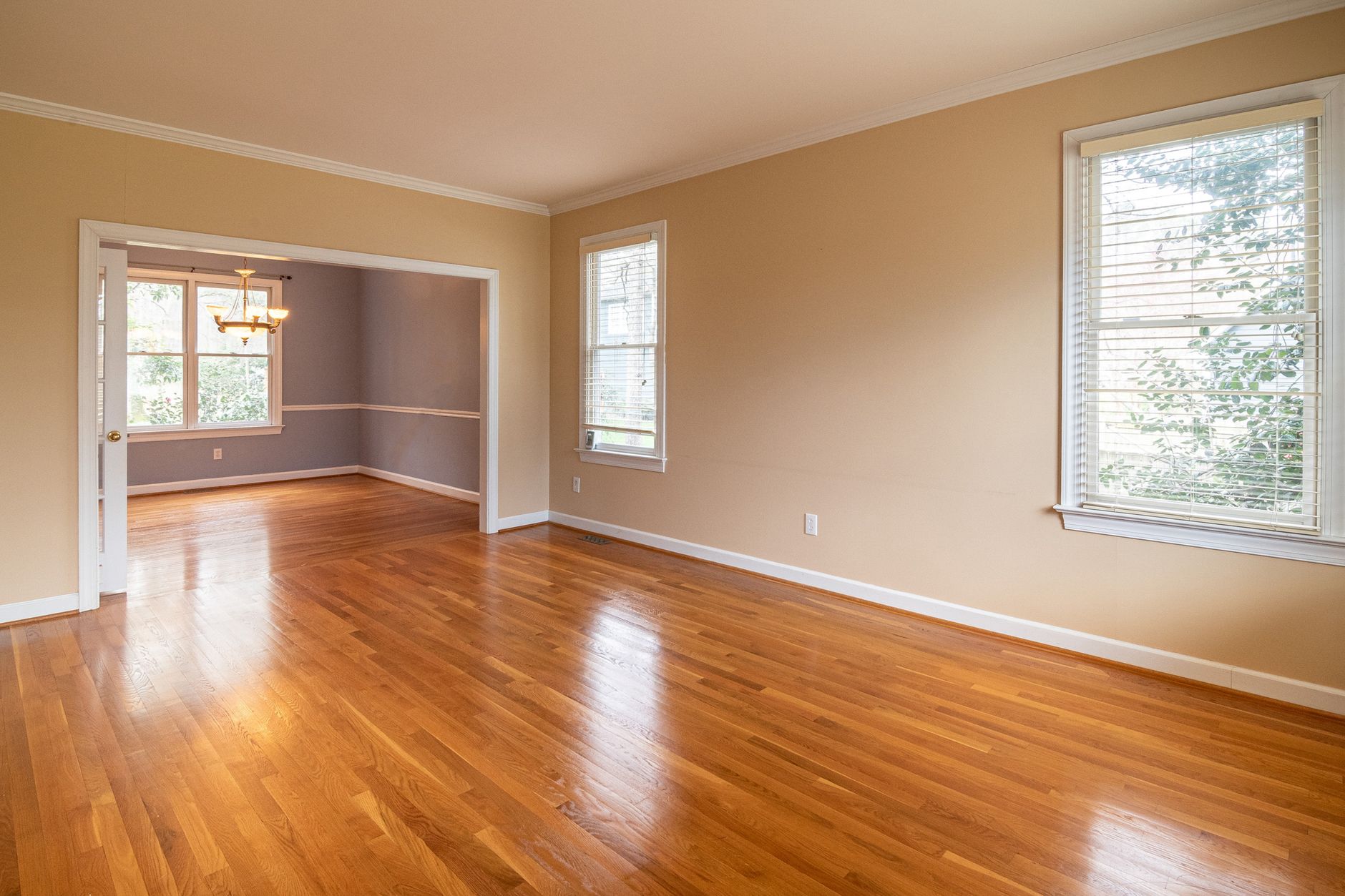
Hardwood floors can be safe for seniors when finished with a matte or satin finish (not high-gloss) and kept clean and dry. They are beautiful and durable, but hard underfoot and potentially slippery if not properly finished. Engineered hardwood is more dimensionally stable than solid hardwood and handles humidity better. Cost: $6-$12 per square foot installed.
Low-Pile Carpet
Carpet provides the best cushioning for falls and natural traction. However, thick or plush carpet can impede walkers and rollators, and high-pile carpet can catch shuffling feet. If using carpet, choose low-pile (less than 0.5 inches) with a firm, dense cushion. Avoid carpet with thick padding that compresses and creates an unstable surface. Cost: $3-$8 per square foot installed.
Flooring to Avoid
High-gloss tile or hardwood: Beautiful, but extremely slippery, especially with socks or when wet. Glare from high-gloss floors also impairs vision in older eyes.
Thick, plush carpet: Can catch feet and impede mobility aids. Makes it harder to get up from the floor after a fall.
Stone tile (marble, travertine): Natural stone is often polished to a high sheen and can be very slippery. If using stone, choose honed (matte) finishes and ensure adequate texture rating.
Loose area rugs over hard flooring: If kept at all, must be fully secured with non-slip backing and double-sided tape on all edges.
Transitions Between Rooms
Transitions between different flooring materials — the threshold strip between a tiled kitchen and a carpeted hallway, for example — are common trip hazards. For aging in place, use flush or very low-profile transition strips (under 0.25 inches). Beveled metal transition strips are available in a range of heights and profiles to handle virtually any flooring combination with minimal trip risk.
Making the Most of Existing Floors
If full floor replacement is not in the budget, several lower-cost interventions improve traction on existing floors: professional anti-slip coating applied to existing tile (lasts several years, costs $200-$500 for a bathroom), non-slip area rugs with proper backing in high-traffic areas, and grip tape or non-slip strips in specific hazard zones like the bathroom and kitchen.