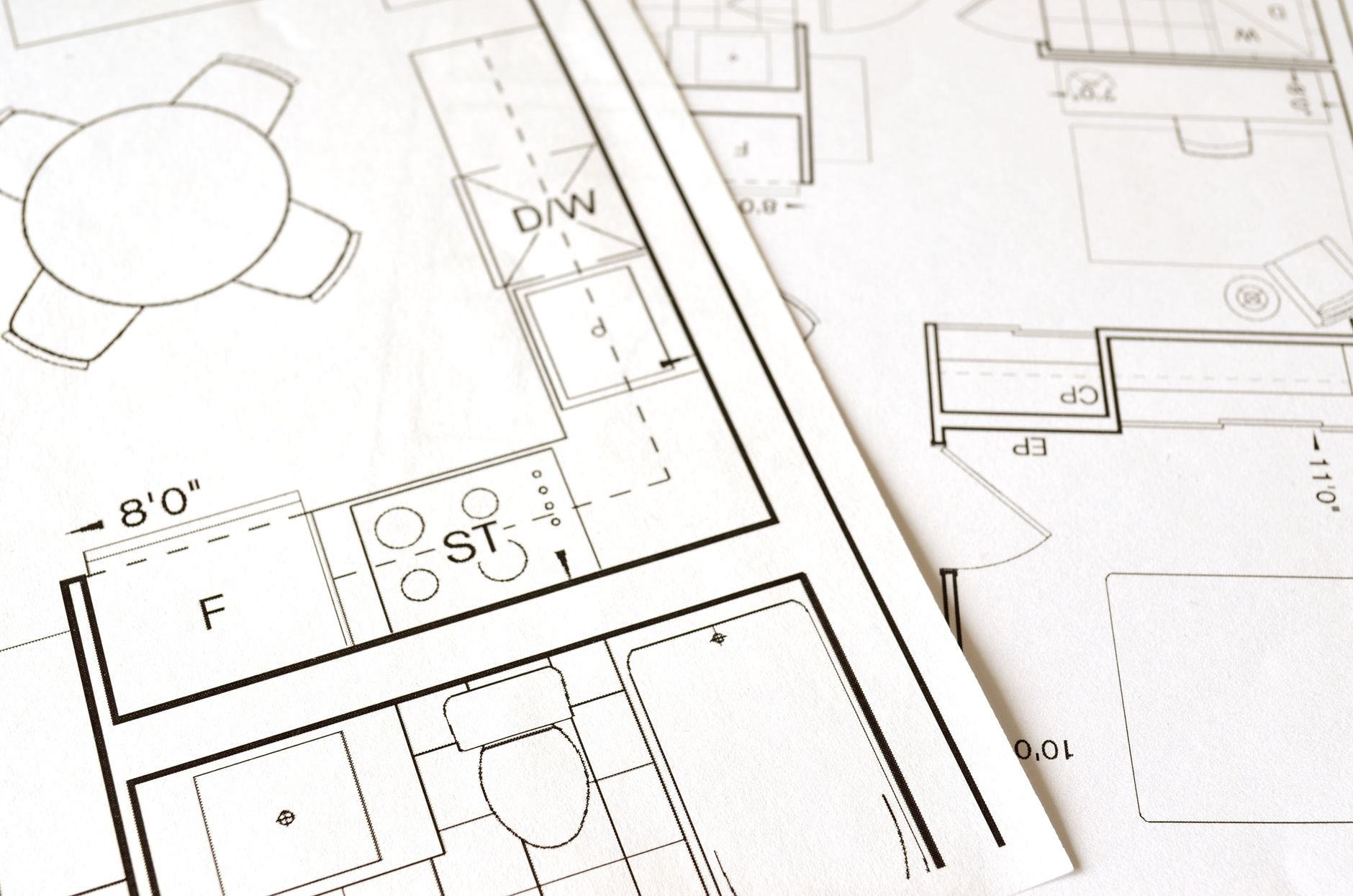
Home modification for aging in place works best as a planned, phased process — not a series of emergency reactions to falls and health events. A thoughtful plan prioritizes the right changes in the right order, fits within a realistic budget, and anticipates future needs rather than just current ones. Here is how to approach the planning process.
Step 1: Honest Assessment of Current and Future Needs
The starting point is a realistic assessment of the current resident’s physical abilities and the trajectory of any health conditions. This is often emotionally difficult — acknowledging declining abilities is hard for both seniors and their families. But planning based on reality rather than optimism leads to much better outcomes.
Questions to consider: What physical tasks are currently difficult or painful? What tasks will become more difficult over the next 5-10 years given current health conditions? Are there specific fall risks in the home right now? Does the floor plan allow for potential future use of a wheelchair or walker throughout the home? Is the bedroom accessible from the main entry without stairs?
An occupational therapist assessment is the most rigorous way to answer these questions. A 60-90 minute home visit by an OT who specializes in home modification will produce a prioritized, individualized list of recommendations — far more useful than a generic checklist. Ask your doctor for a referral; many insurance plans cover home OT assessments.
Step 2: Prioritize by Risk Level
Not all modifications have equal urgency. Prioritize using a simple framework: high-priority modifications address existing, immediate fall risks; medium-priority modifications address emerging risks or improve daily functioning significantly; low-priority modifications are quality-of-life improvements or preparations for future needs.
Typical high-priority items: grab bars in the shower and beside the toilet (if not present), non-slip surfaces in the bathroom, secure handrails on all staircases, adequate lighting in the bedroom-to-bathroom path. These should be addressed first regardless of budget.
Typical medium-priority items: raised toilet seat or comfort-height toilet, handheld showerhead, non-slip flooring in kitchen and bathroom, lever door handles throughout the home. These make significant daily life differences and should be addressed soon after high-priority items.
Typical low-priority/future preparation: wider doorways for potential wheelchair access, zero-threshold shower conversion, stairlift or elevator rough-in, bedroom relocation to main floor. These are major modifications best planned for during a broader renovation.
Step 3: Identify the Right Professionals
Different modifications require different expertise. A CAPS contractor handles construction modifications. An occupational therapist handles functional assessment and equipment recommendations. A designer specializing in universal design handles aesthetic integration of accessibility features. A geriatric care manager coordinates the full range of home care services.
For most projects, a CAPS contractor working from an OT assessment is the right starting point. Get multiple quotes and check references specifically for aging-in-place projects.
Step 4: Build a Realistic Budget
Common cost ranges: grab bar installation $100-$300 per bar (professional); bathroom modification (shower, toilet, grab bars) $3,000-$15,000 depending on scope; stairlift $3,000-$15,000 depending on staircase; kitchen modification $5,000-$20,000; full aging-in-place home renovation $15,000-$60,000.
Explore financial assistance before committing to out-of-pocket payment: state home modification grant programs (search “[your state] home modification grants seniors”), Medicaid waiver programs, USDA Section 504 loans and grants (rural homeowners), Veterans Administration grants (for eligible veterans), and Area Agency on Aging local programs. The Eldercare Locator (1-800-677-1116) can connect you with local resources.
Step 5: Sequence the Work
Sequence modifications to minimize disruption and cost. Work from highest-risk to lowest. Combine modifications where possible — a bathroom remodel is the right time to add a curbless shower, comfort-height toilet, blocking for grab bars, and improved lighting all at once. Doing each separately is more expensive and more disruptive.
Document the plan in writing, including what will be done, by whom, at what cost, and in what timeframe. Review and update the plan annually as needs change.
A Phased Plan at a Glance
| Phase | Examples | Budget range | When |
|---|---|---|---|
| 1. Safety basics | Grab bars, lighting, rug removal, non-slip mats | $100-500 | Now, regardless of health |
| 2. Daily friction | Lever handles, raised toilet, shower chair, handheld shower | $300-1,000 | First signs of strain |
| 3. Structural | Walk-in shower, stair rails or lift, ramp, widened doorway | $2,000-15,000 | Planned ahead of need |
| 4. Care support | First-floor bedroom/bath conversion, caregiver space | $5,000-40,000 | When daily help is coming |
Planning Home Modifications: FAQ
What does a full aging-in-place modification cost? Most homes land between $3,000 and $15,000 total across phases 1-3. The number swings most on the bathroom — a full walk-in conversion is often half the entire budget.
Should we do everything at once or in stages? Stages, in the order above — safety basics protect immediately while the structural work is designed properly. The exception: if a remodel is already happening, fold phase 3 in then, because construction mobilization is the expensive part.
What gets forgotten most often? The entrance. Families perfect the bathroom and leave three unrailed concrete steps at the front door — the path from car to living room deserves the same scrutiny as the shower.
Free tool — no email required
Not sure where to start in your own home? Walk through it room by room and get a plan you can act on.
🏠Home Safety Self-Assessment Check your hazards, get a prioritized plan you can print or share.→