How to Make Your Home Safe for a Senior with Dementia
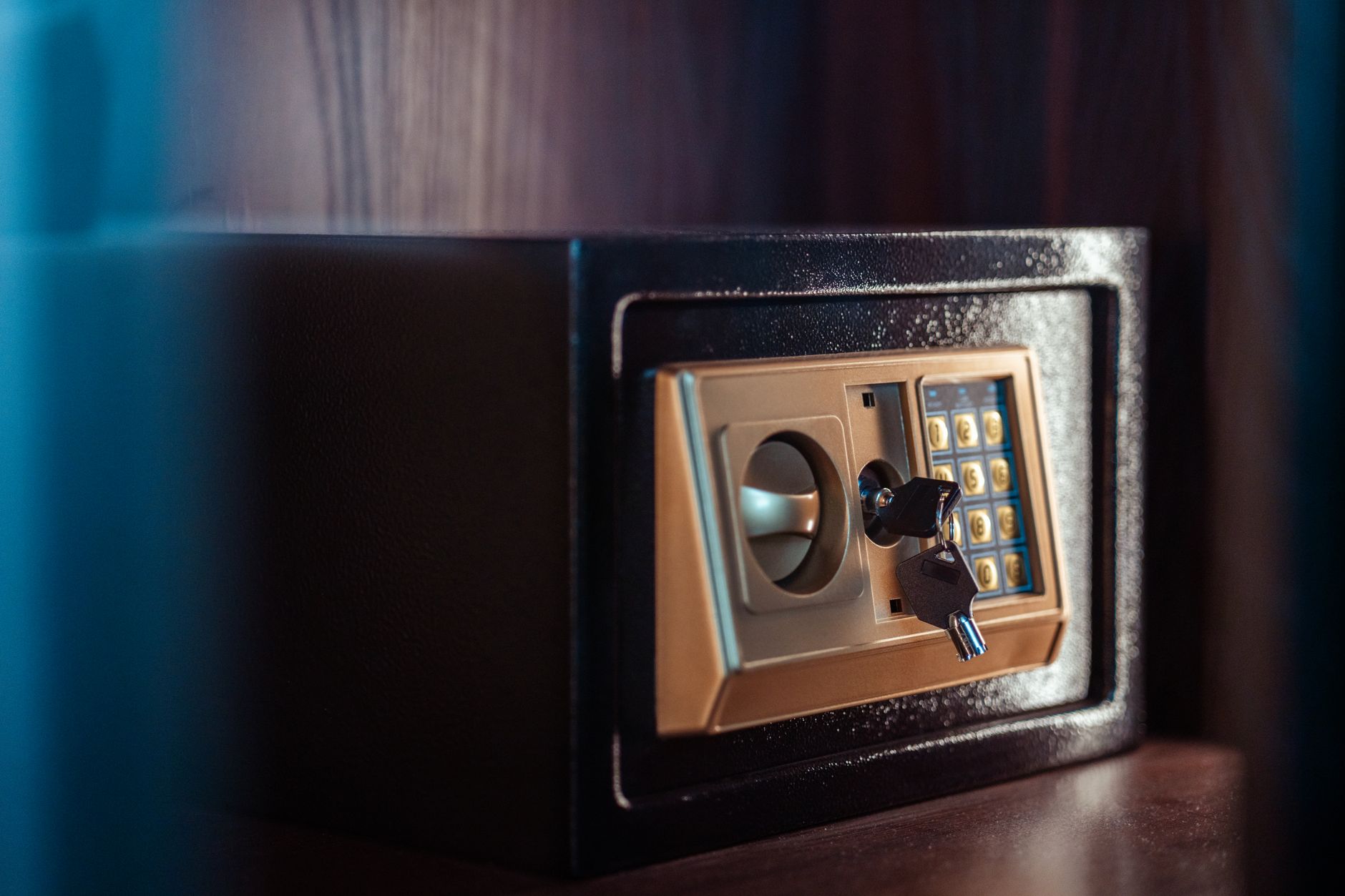
Safe home environment for senior with dementia

Making a home safe for a person with dementia requires a different approach than standard aging-in-place modifications. While both address fall prevention and physical accessibility, dementia home safety must also address wandering, impaired judgment, confusion, and the progressive nature of the condition. This guide covers the most important adaptations for dementia-related home safety. Understanding theRead more

Home Modification Grants and Financial Help for Seniors

Home modification grant application for seniors

Home modifications for aging in place — grab bars, ramps, stairlifts, bathroom renovations — can cost thousands of dollars. For many seniors on fixed incomes, this creates a real barrier to the safety improvements they need. Fortunately, a range of grant programs, low-interest loans, and other financial assistance options exist specifically for this purpose. ThisRead more

How to Talk to Your Parents About Home Safety

Family conversation about senior home safety

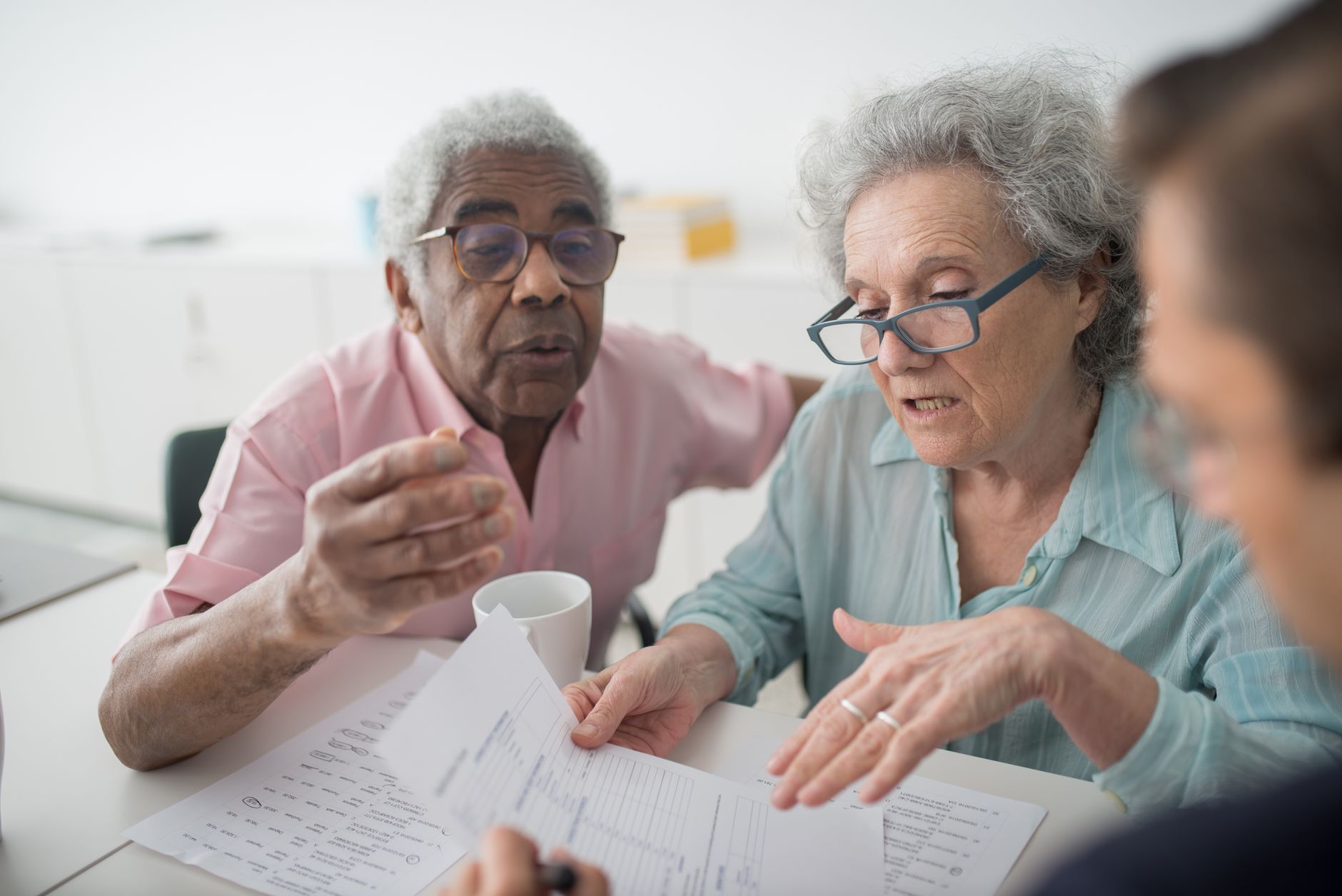
Talking to a parent about home safety — grab bars, stairlifts, medical alert devices — is one of the more challenging conversations adult children face. It touches on aging, loss of independence, and mortality in ways that can feel threatening to a parent’s dignity. Done badly, it triggers defensiveness and resistance. Done well, it leadsRead more

Aging in Place vs Assisted Living: How to Make the Right Decision

Senior considering home care vs assisted living

The decision between aging in place and moving to assisted living is one of the most significant — and emotionally charged — choices facing older adults and their families. Neither option is universally right; the best choice depends on individual health needs, financial situation, home conditions, and personal preferences. This guide provides a framework forRead more

How to Plan Home Modifications for Aging in Place

Home modification planning for aging in place

Home modification for aging in place works best as a planned, phased process — not a series of emergency reactions to falls and health events. A thoughtful plan prioritizes the right changes in the right order, fits within a realistic budget, and anticipates future needs rather than just current ones. Here is how to approachRead more