Amazon Echo vs Google Nest: Which Is Better for Seniors?
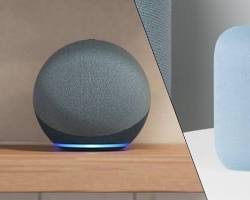
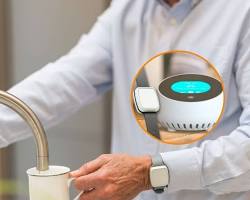
Amazon Echo and Google Nest smart speakers

Amazon Echo (with Alexa) and Google Nest (with Google Assistant) are the two dominant smart speaker platforms. For seniors considering a voice assistant for aging in place, choosing between them matters — the platforms have real differences in ease of use, ecosystem compatibility, and specific features relevant to older adults. Here is an honest comparison.Read more
Medical Alert Watches vs Pendants: Pros and Cons

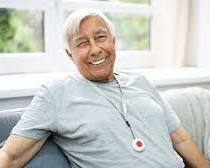
Medical alert watch and pendant comparison

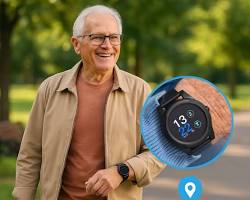
When choosing a medical alert device, one of the first decisions is form factor: watch-style on the wrist, or pendant worn around the neck. Both provide the same core function — a way to call for help — but they differ in wearability, stigma, convenience, and practicality. Here is an honest look at both options.Read more

GPS Medical Alert Systems: Do You Really Need One?

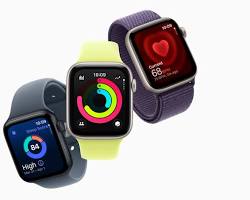
GPS medical alert wearable device

GPS-enabled medical alert systems extend emergency protection beyond the home to wherever the senior goes. But they cost more, require regular charging, and are not right for everyone. This guide helps you decide whether a GPS medical alert system is the right choice for your situation. Who Needs GPS Coverage? The core question is simple:Read more

Life Alert vs Medical Guardian: An Honest Comparison

Medical alert devices comparison

Life Alert and Medical Guardian are two of the most recognized names in the medical alert industry. Life Alert is famous for its “I’ve fallen and I can’t get up” advertising; Medical Guardian has grown significantly through more modern marketing. This comparison looks honestly at what each actually offers — beyond the advertising. Life AlertRead more

Best Motion Sensor Night Lights for Seniors

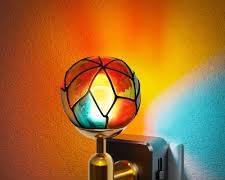
Motion sensor night light in hallway

Nighttime is one of the highest-risk periods for falls among seniors. The journey from bed to bathroom in the dark — groggy, perhaps disoriented, without glasses — combines multiple fall risk factors simultaneously. Motion-activated night lights are one of the simplest, most affordable, and most effective fall prevention tools available. Here is what to lookRead more

Non-Slip Flooring Options for Seniors: A Practical Guide

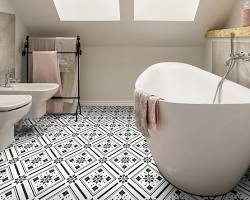
Non-slip flooring options for seniors

Flooring is one of the most fundamental — and often overlooked — elements of a fall-safe home. The wrong flooring can turn an ordinary room into a hazard. The right flooring provides reliable traction, reduces fall risk, and can look beautiful in any home. This guide covers the best flooring options for aging in placeRead more

Fall Prevention Exercises for Seniors: A Simple Daily Routine

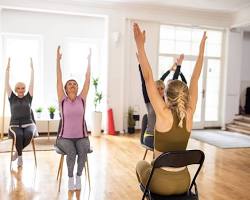
Senior doing balance exercises

Exercise is the most evidence-based fall prevention intervention available. Multiple large-scale studies and systematic reviews confirm that exercise programs specifically designed for balance and lower-body strength can reduce falls by 23-34% in community-dwelling older adults. This guide provides a simple, safe daily routine you can do at home without equipment. Why Exercise Prevents Falls AgingRead more

How to Remove Fall Hazards from Every Room in Your Home

Hazard-free room for senior safety

A systematic room-by-room hazard assessment is one of the most effective fall prevention interventions available. Research shows that home hazard modification can reduce fall risk by up to 26% — and for people who have already fallen, the reduction is even greater. This guide walks you through every major area of your home. General PrinciplesRead more